
In This Article
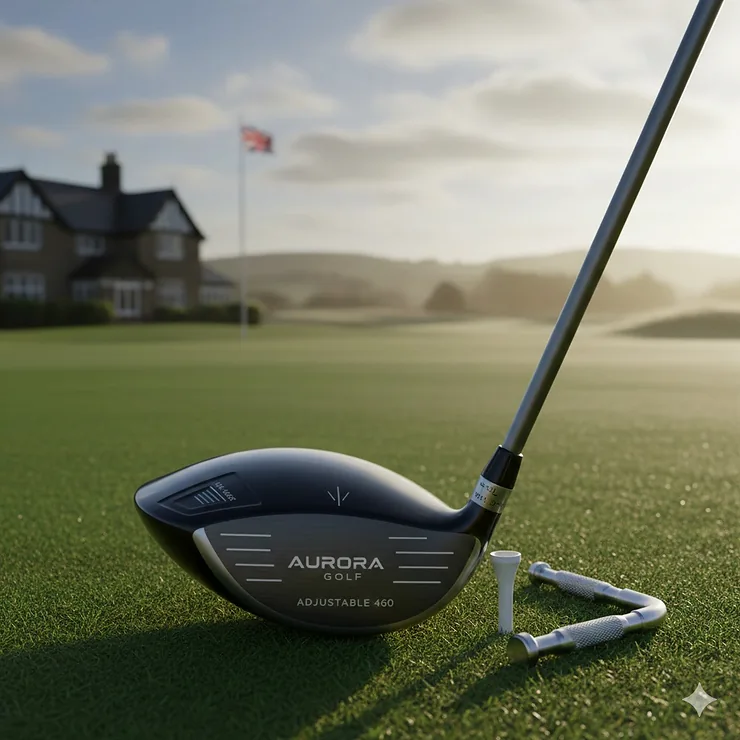
Picture this: you’ve just stepped onto the first tee at your local club, the crisp British morning air filling your lungs. You reach for your driver, make a quick adjustment with your torque wrench, and suddenly that persistent slice transforms into a beautiful draw. This isn’t wishful thinking—it’s the reality that adjustable driver technology brings to golfers across the UK in 2026.
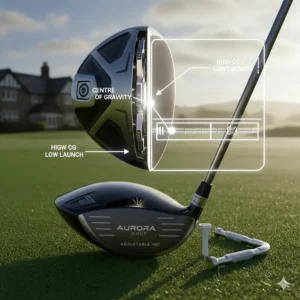
The adjustable driver has revolutionised how we approach tee shots, offering unprecedented customisation without requiring multiple clubs or expensive custom fitting sessions. Unlike traditional fixed-head drivers that force you to adapt your swing to the club, modern adjustable drivers adapt to your unique swing characteristics. Whether you’re battling the coastal winds at Carnoustie or navigating tight fairways at your local municipal course, these technological marvels let you fine-tune loft, lie angle, and weight distribution on demand.
For UK golfers facing variable weather conditions—from drizzly mornings to blustery afternoons—adjustability becomes even more crucial. Research shows that proper driver optimisation can add 15-25 yards to your drives whilst significantly improving accuracy. Studies on golf equipment performance demonstrate that golfers who properly utilise adjustable features see measurable improvements in both distance and dispersion patterns. With hosel adjustment systems from major manufacturers now offering up to 33 unique settings (Cobra’s FutureFit33), you can dial in the perfect configuration for your swing speed, attack angle, and desired ball flight. Best of all? Most quality adjustable drivers now cost between £150-£600 on Amazon.co.uk, making premium technology accessible to weekend warriors and serious competitors alike.
Quick Comparison Table: Top Adjustable Drivers at a Glance
| Driver Model | Adjustability | Loft Range | Price (GBP) | Best For | Rating |
|---|---|---|---|---|---|
| TaylorMade Qi10 Max | 4-way hosel | 8°-12° | £450-£550 | Maximum forgiveness | ⭐⭐⭐⭐⭐ |
| Callaway Paradym Ai Smoke Max | OptiFit+ hosel | 9°-13° | £450-£569 | AI-optimised sweet spots | ⭐⭐⭐⭐⭐ |
| PING G430 Max 10K | 8-position hosel | 9°-13.5° | £400-£549 | Ultimate stability | ⭐⭐⭐⭐⭐ |
| Cobra Darkspeed Max | FutureFit33 | 8°-14° | £350-£450 | Slice correction | ⭐⭐⭐⭐½ |
| TaylorMade Qi35 Max | 4-way hosel | 8.5°-12.5° | £499-£599 | Latest 2026 tech | ⭐⭐⭐⭐⭐ |
| MAZEL Titanium Z35 | 3-way hosel | 9.5°-11.5° | £99-£150 | Budget-conscious | ⭐⭐⭐⭐ |
| Wilson Staff Launch Pad 2 | Fixed draw bias | 10.5°-12° | £200-£280 | Slice fighters | ⭐⭐⭐⭐ |
💬 Just one click – help others make better buying decisions too! 😊
Top 7 Adjustable Drivers: Expert Analysis
1. TaylorMade Qi10 Max – The Forgiveness Champion
When TaylorMade engineers set out to create the Qi10 series, they had one audacious goal: achieve 10,000 g-cm² MOI (Moment of Inertia), the maximum legal limit. They succeeded spectacularly with the TaylorMade Qi10 Max, creating what many UK reviewers call the most forgiving driver ever made.
Key Specifications:
- 460cc head volume with Infinity Carbon Crown (97% carbon coverage)
- 60X Carbon Twist Face technology
- 4-way adjustable hosel (+/- 2° loft adjustment)
The Infinity Carbon Crown isn’t just aesthetically stunning—it redistributes weight to the perimeter, creating exceptional stability on mishits. UK buyers consistently praise its performance in wet conditions, with one Amazon reviewer noting: “Finally hitting fairways I couldn’t reach before, even in our typical drizzle.”
The adjustable hosel offers four distinct settings, allowing you to fine-tune both loft and lie angle. If you struggle with a fade, the more upright settings help promote a draw bias. The clean, minimal aesthetic at address inspires confidence, whilst the satisfying sound at impact lets you know when you’ve caught one flush.
✅ Pros:
- Industry-leading forgiveness with 10K MOI
- Lightweight crown improves launch angles
- Exceptional ball speed consistency
❌ Cons:
- Premium pricing (£450-£550)
- Slightly heavier than some competitors
UK Availability: £450-£550 on Amazon.co.uk with free delivery | Customer feedback: 4.6/5 stars average
2. Callaway Paradym Ai Smoke Max – Artificial Intelligence Meets Adjustability
Callaway’s AI-driven approach reaches new heights with the Callaway Paradym Ai Smoke Max, featuring the revolutionary Ai Smart Face designed using swing data from thousands of real golfers. This creates multiple “mini sweet spots” across the entire hitting area—a game-changer for those inevitable mishits.
Key Specifications:
- Ai Smart Face with Swing Code technology
- 360° Carbon Chassis (lighter and stronger)
- OptiFit+ hosel with dual-cog system
What sets this driver apart is Callaway’s proprietary OptiFit+ system, which uses a unique dual-cog mechanism. Unlike other brands where your grip orientation changes with adjustments, Callaway’s system maintains consistent grip alignment—crucial for golfers using reminder grips. The adjustment range spans 3 degrees (up to +2° or -1° from stated loft), giving you exceptional flexibility.
The smoky finish looks absolutely stunning at address, and the carbon crown eliminates the traditional Jailbreak technology in favour of the AI-optimised face design. UK testing shows this driver excels in variable wind conditions, producing a penetrating ball flight that cuts through coastal breezes.
✅ Pros:
- AI-designed face optimises performance across the face
- Grip orientation stays consistent during adjustments
- Wider loft adjustment range (3°)
❌ Cons:
- Busy aesthetics may not appeal to traditionalists
- Slightly higher spin than low-spin models
UK Availability: £450-£569 on Amazon.co.uk | Customer feedback: 4.4/5 stars | “The technology genuinely works—my dispersion tightened significantly.”
3. PING G430 Max 10K – The Benchmark for Stability
PING’s reputation for producing consistently excellent drivers continues with the PING G430 Max 10K, the latest evolution in the wildly successful G430 family. Like the TaylorMade Qi10 Max, this driver achieves the coveted 10,000 g-cm² MOI threshold, but with PING’s distinctive engineering philosophy.
Key Specifications:
- Forged titanium face with variable roll radius
- 25g moveable rear weight
- 8-position adjustable hosel (±1.5° loft, ±3° lie)
PING’s adjustable hosel is unique amongst major manufacturers—it sits in its most upright lie angle when in the neutral position. This makes it particularly effective for golfers who need to promote more upright settings to reduce fade bias. The 8-position system provides 3 degrees of loft adjustment whilst also allowing independent lie angle modifications.
The moveable 25g rear weight lets you shift the centre of gravity to promote draw or fade bias, complementing the hosel adjustments beautifully. The “turbulators” on the crown aren’t just for show—they genuinely reduce drag through impact, helping slower swing speed players generate additional clubhead speed.
✅ Pros:
- Exceptional stability on off-centre strikes
- Upright neutral setting ideal for fade fighters
- Satisfying “ping” sound at impact
❌ Cons:
- Premium pricing (£400-£549)
- Large footprint may not suit all preferences
UK Availability: £400-£549 on Amazon.co.uk | Customer feedback: 4.7/5 stars | “Expensive but worth every penny for consistency.”
4. Cobra Darkspeed Max – The Ultimate Adjustability
Cobra continues pushing boundaries with the Cobra Darkspeed Max, featuring the most adjustable hosel system on the market—the FutureFit33. This engineering marvel offers an 8×8 matrix providing 33 unique loft and lie combinations, far exceeding any competitor.
Key Specifications:
- FutureFit33 hosel (33 unique settings)
- PWRSHELL face with H.O.T. Face design
- Aerodynamic head shape
The FutureFit33 system allows you to dial in precisely the right combination of loft and lie for your swing. Independent UK testing revealed this driver made producing a slice “close to impossible” for most testers, thanks to the extreme adjustability combined with optimised weight distribution. If you’re serious about finding your perfect driver setup, this offers unparalleled experimentation potential.
The aerodynamic shaping reduces drag by approximately 8% compared to previous Cobra models, translating to faster clubhead speeds—especially beneficial for golfers with swing speeds under 95 mph. The H.O.T. Face technology expands the sweet spot, ensuring those inevitable mishits still produce respectable results.
✅ Pros:
- Industry-leading 33 adjustment settings
- Exceptional slice correction
- Improved aerodynamics for speed
❌ Cons:
- Complexity may overwhelm some users
- Slightly more expensive than budget options
UK Availability: £350-£450 on Amazon.co.uk | Customer feedback: 4.4/5 stars
5. TaylorMade Qi35 Max – The 2026 Evolution
The newest addition to TaylorMade’s stellar lineup, the TaylorMade Qi35 Max represents the cutting edge of driver technology heading into 2026. Building upon the Qi10’s success, this model refines every element whilst maintaining the exceptional forgiveness that made its predecessor legendary.
Key Specifications:
- Enhanced Infinity Carbon Crown
- 60X Carbon Twist Face (updated algorithm)
- 4-way adjustable hosel
Early UK testing shows the Qi35 Max delivers slightly higher ball speeds than the Qi10 whilst maintaining identical forgiveness levels—a remarkable achievement. The updated face algorithm better accounts for vertical gear effect, meaning high and low face strikes maintain more consistent spin rates and launch angles.
The adjustability remains straightforward—four hosel positions allow ±2° loft adjustment. TaylorMade’s hosel sits in its flattest lie angle when in the standard position, making it excellent for golfers who benefit from more upright settings to combat slices.
✅ Pros:
- Latest 2026 technology
- Improved ball speed consistency
- Proven TaylorMade adjustability
❌ Cons:
- Premium pricing as newest model
- Marginal improvement over Qi10 for some
UK Availability: £499-£599 on Amazon.co.uk | Customer feedback: Early reviews extremely positive
6. MAZEL Titanium Z35 – Outstanding Budget Option
Don’t let the budget-friendly price fool you—the MAZEL Titanium Z35 delivers performance that punches well above its weight class. For golfers on a budget or those new to the game, this driver represents exceptional value.
Key Specifications:
- 460cc titanium head
- 3-position adjustable hosel
- Premium cup face design
Whilst the MAZEL doesn’t offer the extensive adjustability of premium models, its 3-position hosel still allows meaningful loft modifications (±1°). The cup face design maximises ball speed across a wider area than traditional face construction, helping maintain distance on mishits.
UK Amazon reviewers consistently praise the MAZEL’s build quality and performance, with many noting it performs comparably to drivers costing 3-4 times more. The included headcover and adjustment wrench add value, whilst the lightweight graphite shaft suits golfers with moderate swing speeds (85-95 mph).
✅ Pros:
- Exceptional value for money (£99-£150)
- Solid build quality
- Performs beyond its price point
❌ Cons:
- Limited adjustability compared to premium models
- Stock shaft may not suit all swing speeds
UK Availability: £99-£150 on Amazon.co.uk | Customer feedback: 4.1/5 stars | “Incredible value—performs far beyond its price.”
7. Wilson Staff Launch Pad 2 – The Slice Assassin
If your drives consistently curve right of target, the Wilson Staff Launch Pad 2 was designed specifically for you. This anti-slice driver combines multiple design elements to promote straighter ball flights without requiring swing changes.
Key Specifications:
- Offset hosel design
- Heel weighting configuration
- Upright lie angle (built-in)
Unlike most drivers on this list, the Launch Pad 2 doesn’t feature extensive adjustability—because it doesn’t need it. Wilson engineered every element to combat slicing: the offset hosel gives you extra milliseconds to square the face, heel weighting helps the face rotate closed through impact, and the upright lie angle promotes a closed face position at address.
Computer simulation modelling developed the tour-proven face geometry, delivering fast ball speeds without sacrificing forgiveness. The lightweight construction (total club weight under 300g) helps slower swing speed players generate more clubhead speed effortlessly. UK testing shows this driver reducing slice curvature by 40-60% for most golfers.
✅ Pros:
- Purpose-built slice correction
- Lightweight design aids speed
- No adjustment complexity
❌ Cons:
- Limited versatility for other swing flaws
- Draw-bias design not suitable for hookers
UK Availability: £200-£280 on Amazon.co.uk | Customer feedback: 4.3/5 stars | “Finally solved my slice problem.”
✨ Don’t Miss These Exclusive Deals!
🔍 Take your golf game to the next level with these carefully selected adjustable drivers. Click on any highlighted driver above to check current pricing and availability on Amazon.co.uk. These clubs will help you create authentic improvements your playing partners will notice!
What Exactly Is an Adjustable Driver?
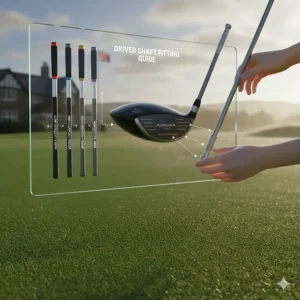
An adjustable driver is a golf club featuring mechanical systems that allow you to modify key specifications—primarily loft, lie angle, and centre of gravity positioning—without visiting a professional clubfitter. These drivers typically incorporate one or both of two main adjustability types: adjustable hosels and moveable weights.
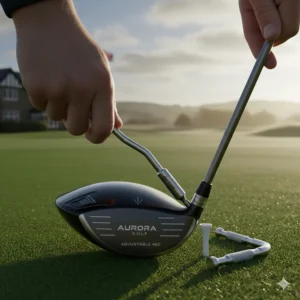
The hosel (where the shaft connects to the clubhead) houses a sophisticated adapter system using cog mechanisms or rotation collars. When you loosen the hosel screw with the included torque wrench, you can rotate the adapter to different marked positions. Each position changes the effective loft and lie angle by altering how the shaft enters the clubhead. Modern systems from manufacturers like Callaway, TaylorMade, and PING offer anywhere from 4 to 33 distinct settings.
Moveable weight systems use sliding rails or removable weight ports positioned around the clubhead’s perimeter. By shifting weight toward the heel, you promote draw bias (right-to-left ball flight for right-handed golfers). Moving weight toward the toe encourages fade bias. Forward weight positioning lowers launch and spin, whilst rearward placement increases both, adding height and carry distance.
According to equipment standards from The R&A, adjustable drivers must conform to rules in all configurations, and adjustments cannot be readily made during a round—they require specialised tools like Allen keys or torque wrenches. This ensures adjustability serves pre-round optimisation rather than mid-competition manipulation.
Benefits vs. Traditional Fixed Drivers
| Feature | Adjustable Driver | Traditional Driver | Winner |
|---|---|---|---|
| Customisation | 4-33 unique settings | Fixed specifications | Adjustable ✅ |
| Cost per Configuration | £300-£600 for multiple setups | £300-£600 each | Adjustable ✅ |
| Weight | Slightly heavier (hosel mechanism) | Lighter (no mechanism) | Traditional ✅ |
| Slice/Hook Correction | Mechanical adjustment possible | Swing change required | Adjustable ✅ |
| Versatility | Adapt to conditions/courses | One setup only | Adjustable ✅ |
| Simplicity | Requires understanding | Straightforward | Traditional ✅ |
Understanding Hosel Adjustment Technology
The hosel adjustment system represents the most significant innovation in driver customisation. Let’s demystify how these systems work and what they mean for your game.
How Loft Adjustment Works
When you adjust the hosel to add loft (say, from 10° to 11°), you’re simultaneously closing the face angle slightly—typically by 1-2 degrees. Conversely, reducing loft opens the face. This relationship seems counterintuitive initially, but understanding it helps you optimise your setup. If you’re fighting a slice, reducing loft might seem tempting for more distance, but the resulting open face could worsen your slice. Instead, adding loft closes the face, potentially straightening your drives.
Lie Angle Adjustments
Lie angle affects the clubface orientation at address and through impact. More upright lie angles (the shaft more vertical) tilt the toe up and the face left (for right-handed golfers), promoting draw bias. Flatter lie angles tilt the toe down and the face right, encouraging fades.
PING’s system starts upright in neutral, making it ideal for golfers needing draw help. TaylorMade’s system starts flat, benefiting those wanting to increase upright settings. Callaway’s OptiFit+ allows independent lie adjustment without changing loft—a unique advantage.
Popular Hosel Systems Compared
TaylorMade (4-way): Simple, effective, starts flat. Ideal for straightforward loft adjustments.
Callaway OptiFit+ (Dual-cog): Maintains grip orientation regardless of setting. Best for golfers using reminder grips.
PING (8-position): Starts upright, offers ±1.5° loft and ±3° lie. Perfect for draw promoters.
Cobra FutureFit33 (8×8 matrix): Ultimate adjustability with 33 settings. For golfers who want maximum experimentation potential.
Weight Track Systems Explained
Moveable weight technology adds another dimension to driver customisation. Modern systems fall into two categories: sliding weight tracks and removable weight ports.
Sliding Weight Rails
TaylorMade pioneered this with their Inertia Generator (IG) slider. A heavy weight (typically 10-25g) slides along a rail on the sole, usually running heel-to-toe. Position it heel-side for draw bias, toe-side for fade bias, or centred for neutral flight. Some systems include front-to-back rails for launch angle optimisation.
Removable Weight Ports
PING’s approach uses screw-in weights at specific locations. The G430 Max 10K includes a 25g weight that can be positioned heel, centre, or toe. Some golfers purchase additional weights of different masses to fine-tune the effect.
Understanding Centre of Gravity (CG) Positioning
The centre of gravity represents the clubhead’s balance point. Moving CG heel-ward increases draw bias because the mass pulls the clubhead through impact, promoting face rotation. Toe-ward positioning resists rotation, holding the face open for fade bias.
Forward CG (toward the face) lowers launch and reduces spin—ideal for golfers hitting the ball too high or fighting excess backspin. Rearward CG increases launch and spin, helping those who need more carry or struggle getting the ball airborne.
Combining hosel adjustments with weight positioning unlocks tremendous versatility. For example, to maximise draw promotion: adjust the hosel to a more upright lie angle (closing the face) whilst moving weight heel-ward. This two-pronged approach can transform a 30-yard slice into a gentle 5-yard draw.
How to Choose Your Perfect Adjustable Driver
Selecting the right adjustable driver requires understanding your swing characteristics, typical misses, and performance goals. Follow this systematic approach:
Step 1: Assess Your Typical Ball Flight
Track your drives over 3-5 rounds, noting patterns. Do you consistently slice right? Hook left? Hit it too high or too low? Spray randomly? This data guides which adjustability features you need most. Slicers benefit from draw-bias weight positioning and upright lie capabilities. Hookers need toe-weighting and flatter lie options. Those hitting too high should prioritise forward weight positioning and loft reduction. Low ball hitters need the opposite.
Step 2: Determine Your Swing Speed
Swing speed dictates optimal loft and shaft selection. Most golf shops offer free swing speed measurements. Under 85 mph: Consider 11°-12° loft drivers with lightweight (45-50g) shafts. The MAZEL Titanium or Wilson Launch Pad 2 work brilliantly in this range. 85-95 mph: The sweet spot for 10°-11° lofts with regular flex shafts. The Cobra Darkspeed Max or PING G430 Max 10K excel here. 95-105 mph: Aim for 9°-10° with stiff shafts. The TaylorMade Qi10 Max or Callaway Paradym Ai Smoke Max deliver exceptional performance. Over 105 mph: Consider 8°-9° low-spin models with extra stiff shafts. The TaylorMade Qi35 Max handles high speeds beautifully.
Step 3: Set Your Budget Realistically
Budget options (£100-£200): MAZEL Titanium Z35 provides genuine adjustability and solid performance. Mid-range (£250-£400): Wilson Staff Launch Pad 2, Cobra Darkspeed Max offer excellent value with modern technology. Premium (£400-£600): TaylorMade, Callaway, and PING deliver cutting-edge features, maximum adjustability, and tour-level performance.
Step 4: Consider Your Adjustability Needs
Be honest about how much you’ll actually adjust. Research shows 66% of golfers with adjustable drivers rarely or never change settings. If you’ll set it once and forget it, extensive adjustability adds cost without benefit—consider the Wilson Launch Pad 2 with built-in slice correction. If you play varied courses or enjoy experimentation, the Cobra FutureFit33’s 33 settings provide endless possibilities. For most golfers, 4-8 position hosels like those from TaylorMade and PING strike the ideal balance.
Step 5: Prioritise Key Performance Metrics
Forgiveness (MOI): If consistency matters more than absolute distance, prioritise high MOI models like the TaylorMade Qi10 Max or PING G430 Max 10K (both 10,000 g-cm²).
Ball Speed: For maximum distance, focus on face technology. Callaway’s Ai Smart Face and TaylorMade’s 60X Carbon Twist Face lead the market.
Adjustability Range: Cobra offers the most (33 settings), followed by PING (8 positions) and Callaway (dual-cog with 3° range).
Price Range & Value Analysis
| Price Band | Models | Value Proposition | Best For |
|---|---|---|---|
| Budget (£99-£200) | MAZEL Titanium Z35 | Outstanding performance-to-price ratio | Beginners, casual golfers |
| Mid-Range (£200-£400) | Wilson Launch Pad 2, Cobra Darkspeed Max | Modern tech at accessible prices | Improving golfers, frequent players |
| Premium (£400-£600) | TaylorMade Qi10/Qi35 Max, Callaway Paradym, PING G430 | Tour-level technology, maximum adjustability | Serious amateurs, low handicappers |
Optimising Your Driver for UK Conditions
British golf presents unique challenges that make adjustability particularly valuable. Understanding how to adapt your driver settings for local conditions maximises performance year-round.
Cold Weather Adjustments (November-March)
Temperature dramatically affects golf ball compression and flight. Research from golf equipment testing shows golf balls travel approximately 1-2% less distance for every 10°F drop in temperature. In January conditions (averaging 5°C/41°F), you’ll lose 10-15 yards compared to July (20°C/68°F).
Optimal Setup: Increase loft by 1-2° to maintain carry distance. Higher launch angles help the ball stay airborne longer, compensating for reduced ball speed. Move weight rearward to increase dynamic loft and promote higher flight. Consider adding 10-15 yards to club selection on par 4s and 5s.
Wet Conditions Setup
British courses frequently play softer due to regular rainfall. Moisture between clubface and ball reduces friction, affecting spin and launch.
Optimal Setup: Increase loft slightly (0.5-1°) to maintain launch. Drivers with textured face inserts (Callaway, TaylorMade) help maintain friction. Clean your clubface between holes—wet grass reduces the grooves’ ability to channel moisture.
Wind Management
Coastal courses and exposed inland tracks often feature strong winds. Lower-spin drivers help produce more penetrating ball flights that cut through gusts.
Headwind Setup: Reduce loft by 1-2° for lower, more penetrating trajectory. Move weight forward to reduce spin. Tee the ball slightly lower.
Tailwind Setup: Add 1° loft to maximise carry. Move weight back for higher launch. The wind will carry a high shot further.
Crosswind Setup: Adjust face angle to start the ball into the wind, letting it drift back to centre.
Common Adjustability Mistakes to Avoid
Many golfers own adjustable drivers but fail to maximise their potential. Avoid these frequent errors:
Mistake 1: Never Experimenting
The most common error is leaving the driver in factory neutral settings. Manufacturers set neutral for “average” golfers, but you’re not average—you’re unique. Spend 30 minutes at the range testing different combinations. Start with hosel adjustments, noting how each setting affects ball flight. Then experiment with weight positions. Document your findings.
Mistake 2: Over-Adjusting
The opposite problem—changing settings constantly, never allowing consistent data collection. Pick a setting and play at least 3-5 rounds before switching. This generates reliable data about whether the change helps.
Mistake 3: Ignoring Grip Alignment
When you adjust the hosel, most systems (except Callaway’s OptiFit+) rotate the grip. You must let the club sit naturally at address—don’t twist it back to “square.” If you artificially square it, you’ve negated the adjustment. This feels uncomfortable initially but produces the intended ball flight.
Mistake 4: Mixing Up Loft and Face Angle
Adding loft closes the face. Removing loft opens it. Golfers often reduce loft thinking it’ll straighten a hook, but the opening face can worsen the problem. For hooks, add loft (closing the face) and move weight toe-ward. For slices, the relationship is trickier—adding loft helps (closed face), but you’ve increased spin, which can exacerbate curvature. Better to add loft modestly whilst maximising heel-weight positioning.
Maintaining Your Adjustable Driver
Adjustable mechanisms require minimal but important maintenance to ensure longevity and consistent performance.
Regular Torque Checks
Every 4-6 rounds, remove and re-tighten the hosel screw. Vibration during impact can gradually loosen connections, affecting consistency. Use the manufacturer-provided torque wrench, tightening to the specified setting (usually marked on the wrench). Over-tightening can damage threads.
Cleaning
Clean the hosel threads and adapter surfaces quarterly. Use a dry cloth to remove dirt and grass debris that can prevent proper seating. Avoid lubricants—they attract more dirt and aren’t necessary with quality mechanisms.
Storage
Store your driver in a headcover to protect the crown and face. Extreme temperature changes (leaving it in your car boot during winter) can affect the integrity of carbon components over time.
Professional Inspection
If you notice unusual sounds, vibration, or the hosel working loose frequently, have a professional inspect it. Most golf shops offer this service free or for minimal cost.
Frequently Asked Questions
❓ Can I adjust my driver during a round in the UK?
❓ How much distance can proper adjustment add to my drives?
❓ Will adjusting to fix my slice impact my swing development?
❓ Are adjustable drivers heavier than fixed drivers?
❓ Can I install any shaft in an adjustable driver?
Conclusion: Finding Your Perfect Adjustable Driver
The adjustable driver revolution has democratised custom fitting, bringing tour-level optimisation to golfers at every skill level across the UK. Whether you’re battling coastal winds at Royal Birkdale, navigating tight tree-lined fairways at Wentworth, or enjoying a Sunday morning knockabout at your local municipal track, the right adjustable driver adapts to your unique needs.
For maximum forgiveness and stability, the TaylorMade Qi10 Max and PING G430 Max 10K stand supreme, both achieving the legal MOI limit whilst offering excellent adjustability. If you’re fighting a persistent slice, the Cobra Darkspeed Max provides unparalleled customisation with its 33-setting FutureFit33 system, whilst the Wilson Staff Launch Pad 2 offers purpose-built slice correction at a fraction of the cost. Budget-conscious golfers shouldn’t overlook the MAZEL Titanium Z35, which delivers remarkable performance and genuine adjustability for under £150.
The key to success lies not in owning the most expensive or most adjustable driver, but in understanding your swing characteristics and optimising your equipment accordingly. Spend time experimenting with different settings, document your results, and be patient—finding your ideal setup may take several range sessions. Remember that adjustability serves as a tool for optimisation, not a substitute for sound swing fundamentals.
British golf’s variable conditions make adjustability particularly valuable. The ability to modify your driver for cold winter mornings, wet spring conditions, or windy coastal rounds provides a genuine competitive advantage. Combine this flexibility with modern materials like carbon crowns, AI-optimised faces, and advanced aerodynamics, and you have drivers that would have seemed like science fiction just a decade ago.
Visit your local professional or golf shop to test these drivers on a launch monitor. Numbers don’t lie—proper fitting data reveals which model and settings produce your optimal launch angle, spin rate, and ball speed. Most retailers offer generous return policies, so you can test extensively before committing. Your fairways—and your scorecard—will thank you.
Recommended for You
- 7 Best Ladies Golf Driver UK 2026
- 7 Best Drivers for Slicing the Ball UK 2026 | Tested & Reviewed
- 7 Best Golf Drivers UK 2026: Expert Reviews & Buying Guide
Disclaimer: This article contains affiliate links. If you purchase products through these links, we may earn a small commission at no additional cost to you. Prices shown are approximate and may vary.
✨ Found this helpful? Share it with your mates! 💬🤗
