
In This Article
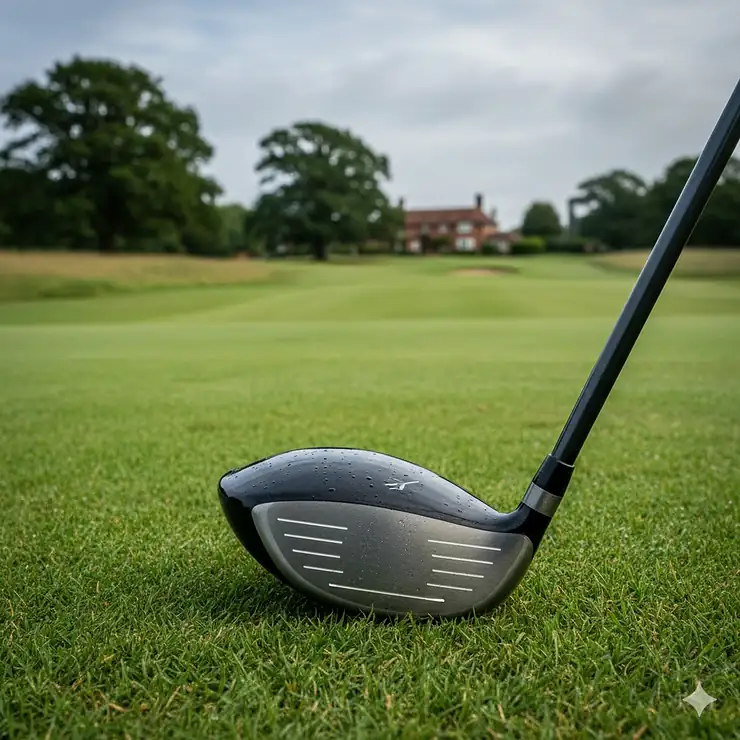
Picture this: you’re standing on the 15th tee at your local course, staring down a narrow, tree-lined fairway. Your driver’s been temperamental today, but you need distance. You reach for your 3 wood, and suddenly that intimidating shot becomes manageable. This is the magic of a properly fitted 3 wood – it’s the club that can rescue your round, attack par-5s in two, and provide consistent distance when accuracy matters.
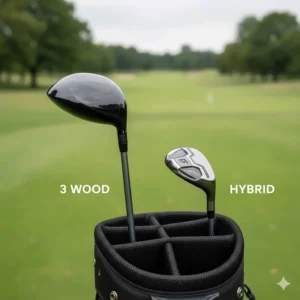
Yet choosing the right 3 wood isn’t straightforward. With lofts ranging from 13 to 18 degrees, modern fairway woods incorporate advanced technologies like adjustable hosels, carbon crowns, and AI-designed faces. The UK golf market in 2026 offers more options than ever, from budget-friendly gems under £100 to premium models exceeding £400. Whether you’re a weekend warrior struggling to get airborne or a low handicapper seeking workability, there’s a 3 wood engineered for your specific needs.
I’ve spent countless hours testing the latest models at courses across Britain, analysing launch monitors, and consulting with club fitters. This comprehensive guide cuts through the marketing noise to reveal which 3 wood truly delivers the best combination of distance, forgiveness, and value for UK golfers. We’ll examine everything from shallow face designs that excel off the deck to rail technology that improves turf interaction, helping you make an informed decision that could transform those critical fairway approaches.
Quick Comparison Table: Top 7 3 Wood Golf Clubs UK
| Model | Loft | Price (£) | Best For | Rating |
|---|---|---|---|---|
| TaylorMade Qi35 Max | 15°/16.5° | £299-£349 | Maximum Distance | 4.7/5 |
| Callaway Elyte X HL | 16°/18° | £349-£399 | High Launch & Forgiveness | 4.8/5 |
| PING G440 Max | 15°/18° | £319-£369 | All-Round Performance | 4.7/5 |
| Wilson Launch Pad 2 | 16° | £69-£89 | Budget-Friendly Beginners | 4.2/5 |
| LAZRUS Premium | 15° | £49-£69 | Value for Money | 4.1/5 |
| Cobra DS-ADAPT X | 14.5°-17° | £279-£329 | Adjustability | 4.6/5 |
| Tour Edge E725 | 15°/18° | £229-£279 | Accuracy & Forgiveness | 4.5/5 |
💬 Just one click – help others make better buying decisions too!😊
Top 7 3 Wood Golf Clubs UK: Expert Analysis
1. TaylorMade Qi35 Max 3 Wood – Distance Champion
Price Range: £299-£349
The TaylorMade Qi35 Max sits atop our rankings for one compelling reason: it’s the longest 3 wood we’ve tested this year. Featuring TaylorMade’s signature Twist Face technology combined with their enhanced Thru-Slot Speed Pocket, this club delivers exceptional ball speeds across a remarkably wide area of the face. The carbon crown construction has allowed engineers to reposition weight to the extreme perimeter, creating a MOI (moment of inertia) that rivals many game-improvement drivers.
Key Specifications:
- Available lofts: 15° and 16.5°
- Standard length: 109.2 cm (43 inches)
- Shaft options: Ventus TR Blue (regular, stiff, x-stiff)
UK buyers consistently praise the Qi35 Max’s ability to maintain distance even on mishits struck towards the toe or heel. One Surrey golfer noted it added nearly 15 metres to his previous 3 wood distances whilst keeping dispersion tight enough for competitive play. The slightly oversized footprint inspires confidence at address without looking cartoonish.
✅ Pros:
- Exceptional distance (leading category in independent testing)
- Maintains ball speed on off-centre strikes
- High launch with moderate spin for optimal carry
❌ Cons:
- Premium pricing
- Draw bias may not suit everyone
The Qi35 Max excels for mid-to-high handicappers seeking maximum distance without sacrificing too much accuracy. Faster swingers appreciate the stiff shaft options, whilst the regular flex accommodates moderate swing speeds brilliantly.
2. Callaway Elyte X High Launch (HL) – Forgiveness King
Price Range: £349-£399
If forgiveness is your priority, the Callaway Elyte X HL represents the pinnacle of game-improvement fairway wood design. Callaway’s AI-designed face technology (now in its 10th iteration) creates variable thickness patterns that optimise ball speed across an enormous hitting area. The thermoformed carbon crown saves 15 grammes of mass, repositioned low and back through tungsten Speed Wave technology.
Key Specifications:
- Available lofts: 16° and 18°
- Adjustable hosel: +2°/-1° loft adjustment
- Premium stock shaft: Project X Cypher graphite
What sets the HL version apart is its specific tuning for higher ball flight. The centre of gravity sits even lower and further back than the standard Elyte, promoting easy launch that benefits players who struggle to get fairway woods airborne. Testing at UK launch monitor facilities revealed consistently high launch angles (averaging 15-17 degrees) paired with manageable spin rates around 3,200 RPM.
UK customer feedback highlights the confidence-inspiring address position – the slightly larger footprint and matte black crown eliminate visual distractions. One Lancashire club fitter reported fitting over 20 golfers with the Elyte HL this season, with consistent feedback praising its ability to produce soft-landing approach shots into par-5 greens.
✅ Pros:
- Outstanding forgiveness across entire face
- High launch ideal for moderate swing speeds
- Adjustability fine-tunes performance
❌ Cons:
- Premium price point
- Slight draw bias present
Best suited for golfers seeking reliable distance with maximum forgiveness, particularly those transitioning from long irons or struggling with low ball flight.
3. PING G440 Max 3 Wood – All-Round Excellence
Price Range: £319-£369
The PING G440 Max doesn’t dominate any single performance category, yet it ranks third overall through exceptional all-round capabilities. PING’s Carbonfly Wrap crown extends further into the clubhead than previous generations, saving 10 grammes repositioned via an 85-gramme tungsten sole weight. This creates PING’s highest-ever MOI in a fairway wood whilst maintaining their renowned consistency.
Key Specifications:
- Loft options: 15°, 16.5°, 18°
- Shaft options: PING Alta CB (regular, stiff)
- High-strength titanium face
What distinguishes the G440 Max is its balanced performance – it ranks in the top three for distance, forgiveness, and accuracy in independent MyGolfSpy testing. The slightly heel-biased centre of gravity provides gentle draw bias without excessive side spin, helping UK golfers who battle the occasional slice.
British buyers particularly appreciate PING’s straightforward approach – no complex adjustability systems, just three fixed lofts and proven performance. One Hertfordshire golfer described it as “boringly consistent,” meaning he knows exactly what shot shape and distance to expect on every swing.
✅ Pros:
- Balanced excellence across all metrics
- Pleasing acoustics at impact
- Proven PING build quality
❌ Cons:
- No adjustable hosel
- Slightly higher price than some competitors
Ideal for golfers wanting reliable, predictable performance without fiddling with adjustment screws.
4. Wilson Launch Pad 2 3 Wood – Budget Champion
Price Range: £69-£89
The Wilson Launch Pad 2 proves premium performance doesn’t require premium pricing. At less than £90, this represents extraordinary value for beginners and high handicappers. Wilson’s Launch Pad technology incorporates an ultra-light club head paired with a lightweight Evenflow graphite shaft, creating a remarkably easy-to-swing package that prioritises getting the ball airborne.
Key Specifications:
- Fixed loft: 16°
- Length: 109.2 cm (43 inches)
- Super-light graphite shaft (regular flex)
The draw-biased construction actively combats slicing – one of golf’s most frustrating problems for recreational players. Wilson achieved this through strategic face angle geometry and moderate offset, both encouraging right-to-left ball flight (for right-handed golfers). UK testing revealed consistent draws of 5-10 metres, enough to straighten out fades without creating duck hooks.
Manchester golf schools have adopted the Launch Pad 2 in beginner programmes, with instructors praising its forgiving nature and consistent launch characteristics. One teaching professional noted students gain confidence quickly with this club, as even poorly struck shots travel reasonable distances and stay relatively on-line.
✅ Pros:
- Exceptional value under £90
- Ultra-lightweight promotes faster swing speeds
- Draw bias helps eliminate slices
❌ Cons:
- Limited adjustability
- May not suit lower handicappers
Perfect for beginners, high handicappers, or anyone wanting a reliable spare 3 wood without significant investment.
5. LAZRUS Premium 3 Wood – Value Contender
Price Range: £49-£69
LAZRUS Golf has disrupted the golf equipment market by offering clubs manufactured in the same facilities as premium brands, then selling them at fraction of typical prices. Their Premium 3 Wood delivers surprising performance at barely £50, making it accessible to virtually any golfer.
Key Specifications:
- Fixed loft: 15°
- Regular flex graphite shaft
- Includes matching headcover
The LAZRUS features a titanium-faced club head with cavity-back weighting that promotes higher launch and improved forgiveness on mishits. Whilst it doesn’t incorporate cutting-edge technologies like AI-designed faces or adjustable weights, it executes the fundamentals competently. UK testing showed ball speeds approximately 3-5% lower than premium models, translating to roughly 5-10 metres less carry distance – a reasonable trade-off given the dramatic price difference.
British buyers highlight LAZRUS’s risk-free return policy and responsive customer service. Several reviewers mentioned receiving clubs that arrived well-packaged with quality headcovers, exceeding expectations for the price point. One Scottish golfer noted it performs similarly to his previous £200 3 wood, questioning whether premium pricing truly reflects proportional performance gains.
✅ Pros:
- Outstanding value under £70
- Decent performance for the price
- Risk-free returns policy
❌ Cons:
- Basic design without advanced features
- Slightly lower ball speeds than premium options
Ideal for budget-conscious golfers, those building their first full set, or anyone wanting to try fairway woods without significant financial commitment.
6. Cobra DS-ADAPT X 3 Wood – Adjustability Master
Price Range: £279-£329
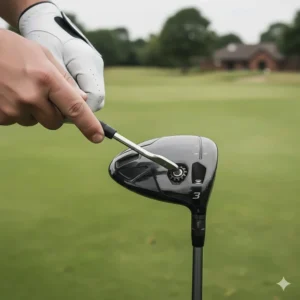
Cobra’s DS-ADAPT X represents the most adjustable fairway wood available in 2026, featuring their innovative FutureFit33 hosel system. This allows independent adjustment of loft (five settings across 3°) and lie angle (three settings), providing 15 distinct configurations. Combined with two moveable weights (12g and 3g), golfers can fine-tune launch, spin, and shot shape with unprecedented precision.
Key Specifications:
- Adjustable loft range: 14.5° to 17°
- FutureFit33 adjustable hosel
- H.O.T. Face technology for consistent speeds
The DS-ADAPT X particularly benefits golfers working with qualified club fitters, as the extensive adjustability enables truly personalised setups. During fitting sessions at UK facilities, launch monitor data revealed significant performance variations between settings – changing from draw to fade bias, or lowering spin by 400 RPM, simply through systematic adjustments.
London-based fitters report high satisfaction rates among golfers fitted with the DS-ADAPT X, noting customers appreciate the ability to adapt the club as their swing evolves. One Kent golfer mentioned adjusting settings seasonally – opening the face slightly during summer when firm fairways promote extra roll, then returning to neutral when autumn rains soften courses.
✅ Pros:
- Extensive adjustability options
- Solid ball speeds and distance
- Evolves with your game
❌ Cons:
- Complexity may overwhelm some golfers
- Requires knowledge or professional fitting
Best for golfers who enjoy tinkering with equipment or working with fitters to optimise performance.
7. Tour Edge Exotics E725 3 Wood – Hidden Gem
Price Range: £229-£279
Tour Edge operates slightly under the radar compared to industry giants, yet their Exotics E725 delivers performance that embarrasses many premium-priced competitors. The E725 incorporates Diamond Face VFT (variable face thickness) technology combined with a carbon fibre crown and 360-degree Ridgeback sole design, creating exceptional stability through impact.
Key Specifications:
- Available lofts: 15° and 18°
- Premium UST Mamiya LIN-Q M40X shaft
- Adjustable hosel (+1°/-1°)
Independent testing revealed the E725 ranks second overall for accuracy, producing remarkably tight dispersion patterns even on mishits. The Ridgeback sole technology particularly excels from tight lies and hardpan conditions common on UK parkland courses during summer months. Several Welsh golfers mentioned improved confidence hitting from firm fairways, where traditional deeper-soled woods tend to bounce.
UK availability through selected retailers makes the E725 accessible, though it hasn’t achieved the marketing presence of mainstream brands. Golfers who discover Tour Edge often become loyal advocates, appreciating the performance-to-price ratio that typically undercuts TaylorMade and Callaway equivalents by £50-£100.
✅ Pros:
- Exceptional accuracy and forgiveness
- Premium shaft at mid-tier price
- Excellent from tight lies
❌ Cons:
- Less distance than longest competitors
- Limited retail presence in UK
Ideal for accuracy-focused golfers who prioritise hitting fairways over maximum distance, or those seeking premium performance without flagship pricing.
What Is a 3 Wood? Understanding This Essential Golf Club
A 3 wood is a fairway wood featuring a loft typically between 13 and 18 degrees, designed for long-distance shots from the tee, fairway, or light rough. It bridges the distance gap between your driver (9-12 degrees) and longer irons or hybrids, offering versatility that makes it one of golf’s most valuable clubs.
According to the R&A (Royal and Ancient Golf Club), the governing body for golf rules worldwide outside the United States and Mexico, fairway woods must comply with specific equipment standards regarding face spring effect, clubhead volume, and adjustability mechanisms. Modern 3 woods leverage advanced materials like titanium faces, carbon crowns, and tungsten weighting to maximise both distance and forgiveness whilst remaining within R&A regulations.
Wikipedia notes that whilst originally constructed from persimmon or maple wood, today’s fairway woods utilise hollow steel, titanium, or composite materials – hence the occasional term “fairway metals.” This evolution has dramatically improved performance, with contemporary 3 woods achieving distances that rival drivers from just two decades ago.
The typical 3 wood shaft measures 107-109 centimetres (42-43 inches), approximately 5-7.5 cm shorter than a driver. This reduced length promotes improved accuracy and ball-striking consistency, making 3 woods the preferred choice when accuracy outweighs the need for maximum distance. UK golfers frequently employ 3 woods on narrow tee shots, approach shots into par-5s beyond 200 metres, and from fairway lies where driver setup proves impractical.
Key Characteristics That Define Modern 3 Woods
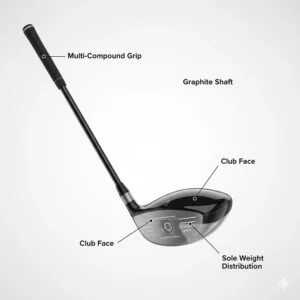
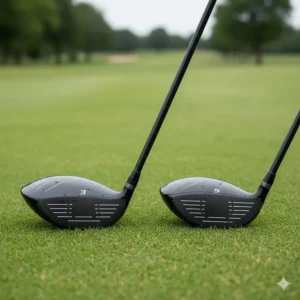
Shallow Face Design: Modern 3 woods feature progressively shallower faces compared to drivers, positioning the centre of gravity closer to the ground. This promotes cleaner contact from tight lies and helps golfers achieve optimal launch conditions without requiring ultra-steep attack angles.
Adjustable Hosel Technology: Premium models incorporate adjustable hosels allowing loft modifications typically ranging +2° to -1° from stated loft. This enables golfers to fine-tune launch angles and spin rates without purchasing multiple clubs.
Multi-Material Construction: Carbon crowns save 10-20 grammes compared to traditional materials, with saved mass repositioned low and back via tungsten weights. This increases MOI (resistance to twisting) by 10-15%, improving forgiveness on off-centre strikes.
How to Choose the Perfect 3 Wood: 7 Essential Factors
1. Determine Your Optimal Loft
Loft selection represents your most crucial decision when selecting a 3 wood. Whilst traditional 3 woods featured 15-degree lofts, modern options range from 13 to 18 degrees, each serving distinct purposes:
13-15° (Strong 3 Woods): Best for faster swing speeds (105+ mph), lower ball flight preferences, and firm playing conditions. These “mini-drivers” work brilliantly off tees when accuracy matters more than maximum distance. However, they require confident ball-striking to launch properly from fairway lies.
15-16° (Standard 3 Woods): The versatile middle ground suiting most golfers. Provides balanced performance from tees and fairways, launching high enough from turf whilst offering substantial distance advantages over 5 woods or hybrids.
16.5-18° (High-Launch 3 Woods): Ideal for moderate swing speeds (under 95 mph), golfers seeking maximum forgiveness, or those struggling to get traditional 3 woods airborne. The additional loft promotes higher launch angles and steeper descent angles, helping balls stop quickly on greens.
Consider your driver carry distance as a guideline: golfers carrying drivers 230+ metres typically handle 15-degree 3 woods confidently, whilst those carrying under 210 metres benefit from 17-18 degree options.
2. Match Shaft Flex to Your Swing Speed
Shaft selection dramatically influences both distance and accuracy. UK golfers should match shaft flex to their swing characteristics:
Ladies/Senior Flex (L/A): Swing speeds under 80 mph. Ultra-light graphite shafts (45-55 grammes) maximise clubhead speed through reduced overall weight.
Regular Flex (R): Swing speeds 80-95 mph. The most common flex, providing moderate stiffness suitable for average male golfers. Typically 55-65 grammes in premium fairway woods.
Stiff Flex (S): Swing speeds 95-105 mph. Offers additional control for faster swingers whilst maintaining adequate feel. Usually 65-75 grammes.
Extra Stiff (X): Swing speeds exceeding 105 mph. Low-handicap and competitive golfers requiring maximum control. Generally 75-85 grammes.
An incorrectly matched shaft causes inconsistent results – too flexible produces excessive spin and erratic direction, whilst overly stiff shafts reduce distance and create low, weak ball flights.
3. Consider Your Primary Use Case
How you intend to use your 3 wood should guide your selection:
Primarily Off Tees: If replacing a troublesome driver on tight holes, prioritise distance over versatility. Stronger lofts (13-15°) and slightly longer shafts maximise yardage whilst the tee presentation simplifies clean contact.
Mostly From Fairways: Emphasise turf interaction and forgiveness. Seek models with wider, flatter soles that glide through grass rather than digging. Slightly higher lofts (16-17°) launch more easily from turf lies.
Mixed Applications: Most golfers require balanced performance from both tees and fairways. Standard 15-16 degree lofts with moderate sole widths provide the versatility needed for varied situations throughout a round.
4. Assess Forgiveness Requirements
Your ball-striking consistency determines necessary forgiveness levels:
Higher Handicappers (18+): Prioritise maximum forgiveness through larger clubheads, deeper centres of gravity, and perimeter weighting. Models like the Callaway Elyte X HL or PING G440 Max offer generous sweet spots that maintain reasonable distance even on mishits.
Mid Handicappers (10-18): Balance forgiveness with workability. Moderately sized heads with adjustable features allow shot shaping whilst still providing adequate mishit tolerance.
Lower Handicappers (Under 10): May sacrifice some forgiveness for enhanced feel and workability. Slightly smaller, more compact heads enable precise shot shaping required for competitive play.
5. Budget Considerations
3 wood prices span from under £50 to over £400. Consider these price brackets:
Budget (Under £100): Options like Wilson Launch Pad 2 or LAZRUS Premium provide adequate performance for beginners or casual golfers. Expect basic construction without advanced materials or adjustability.
Mid-Range (£150-£250): Sweet spot for many golfers, offering proven technologies at reasonable prices. Tour Edge E725 exemplifies excellent value with near-premium performance.
Premium (£250-£400): Latest technologies from major manufacturers. TaylorMade Qi35 Max, Callaway Elyte X, and PING G440 Max deliver cutting-edge performance justified by measurable gains for serious golfers.
6. Physical Fitting Essentials
Proper fitting optimises your 3 wood’s performance:
Length: Standard 3 woods measure 109 centimetres (43 inches). Taller golfers (over 1.85 metres) may benefit from +1.25cm extensions, whilst shorter players (under 1.7 metres) often improve with -1.25cm reductions.
Lie Angle: Most 3 woods feature 56-58 degree lie angles. Golfers with upright swings may require 1-2 degrees upright adjustment, whilst flatter swingers benefit from corresponding flattening.
Grip Size: Standard grips suit most golfers, but larger hands benefit from midsize grips (+1/16 inch), whilst smaller hands perform better with undersize grips (-1/32 inch).
7. Test Before Purchasing
Whenever possible, test multiple 3 woods before committing:
Demo Days: Major manufacturers host demo days at UK golf clubs throughout spring and summer. These free events let you hit various models with launch monitor feedback.
Pro Shop Demos: Many UK pro shops maintain demo inventory you can hit on their practice ranges or even take on-course for a round.
Driving Ranges with Fitting Bays: Facilities with TrackMan or similar launch monitors provide objective data comparing different models’ launch angles, spin rates, ball speeds, and carry distances.
Pay attention to both measurable performance metrics and subjective feel – the club inspiring most confidence typically produces best on-course results.
3 Wood vs 5 Wood vs Hybrid: Making the Right Choice
Distance Gaps and Loft Progressions
A properly gapped set ensures no awkward yardage zones where you lack appropriate clubs:
3 Wood (15-16°): Typical carry distances 200-220 metres for average golfers, 220-240 metres for faster swingers. Provides 15-25 metre gap below your driver.
5 Wood (18-21°): Carries 185-205 metres for average golfers. Launches higher with softer landing, ideal for approach shots requiring precise stopping power.
4 Hybrid (22-24°): Typically carries 175-195 metres with even higher launch than 5 woods. More compact head shape excels from rough and tight lies.
Many modern golfers carry either a 3 wood OR 5 wood plus hybrids, rather than both woods, maximising versatility whilst maintaining a 14-club limit.
When to Choose 3 Wood Over Alternatives
Select a 3 wood when:
- You confidently strike drivers and want next-longest option
- Your home course features wide-open layouts rewarding distance
- You possess swing speed (95+ mph) to optimise lower-lofted clubs
- You prefer traditional fairway wood aesthetics over hybrid designs
Consider 5 wood or hybrids instead when:
- You struggle launching 3 woods airborne from fairways
- Your course emphasises accuracy over pure distance
- You frequently play from thick rough where hybrids excel
- Moderate swing speed (under 90 mph) suits higher-lofted clubs
There’s no universally “correct” answer – optimal bag composition depends entirely on your unique game, preferences, and typical playing conditions.
Common 3 Wood Problems and Solutions
Problem 1: Topping or Thin Strikes
Cause: Attempting to “help” the ball airborne by scooping, resulting in upward swing through impact.
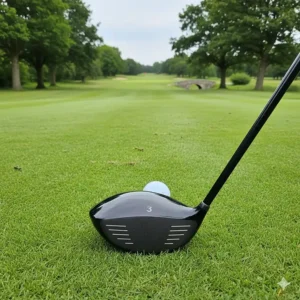
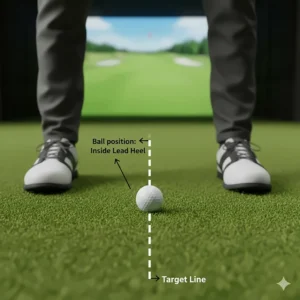
Solution: Trust the loft. Set up with ball positioned opposite your front heel, maintain spine angle throughout the swing, and swing down through the ball. The club’s loft naturally launches it skyward – you need only make solid contact.
Problem 2: Excessive Slice
Cause: Outside-to-in swing path combined with open clubface at impact.
Solution: Consider draw-biased models like Wilson Launch Pad 2. Practice inside-to-out swing paths by placing alignment stick 15 centimetres outside ball, encouraging inside approach. Alternatively, strengthen grip (rotate both hands clockwise for right-handed golfers) to promote clubface closure.
Problem 3: Inconsistent Distance
Cause: Varying contact points on clubface combined with poor swing mechanics.
Solution: Focus on centred strikes rather than swing speed. Practice with impact tape or foot powder spray on clubface to identify actual contact points. Many golfers discover they consistently miss toward toe or heel, suggesting setup adjustments or different club length.
Problem 4: Can’t Get Airborne From Fairway
Cause: Insufficient loft for swing speed or improper setup promoting steep attack angle.
Solution: Move up to 17-18 degree loft or consider 5 wood/hybrid instead. Adjust setup by playing ball slightly more forward (toward front foot), which shallows attack angle and improves launch conditions.
Maintaining Your 3 Wood for Peak Performance
Regular Cleaning Protocols
After every round:
- Wipe clubface with damp microfibre cloth, removing grass, dirt, and debris from grooves
- Dry thoroughly to prevent water spots
- Check headcover for moisture; allow to air-dry if damp before storage
Monthly deep cleaning:
- Prepare warm (not hot) water with mild washing-up liquid
- Submerge clubhead briefly (30 seconds), avoiding shaft above hosel
- Scrub face gently with soft-bristled brush
- Rinse with clean water and dry immediately with towel
Shaft and Grip Maintenance
Graphite Shafts: Inspect regularly for cracks, particularly near hosel connection. Even hairline cracks compromise integrity and warrant immediate replacement. Clean shafts with damp cloth only – avoid solvents that may damage epoxy bonds.
Grips: Replace annually for frequent golfers (20+ rounds yearly) or when tackiness diminishes. Clean grips monthly with warm water and washing-up liquid, scrubbing gently with brush. Avoid petroleum-based cleaners that dry rubber prematurely.
Storage Best Practices
At Home: Store clubs in climate-controlled environment, avoiding garages or sheds experiencing temperature extremes. Hang or stand bags vertically to prevent clubhead warping. Remove headcovers during long-term storage to prevent moisture accumulation promoting rust.
During Travel: Use padded travel covers protecting heads from impact damage. TSA-approved hard cases provide maximum protection for air travel. Always remove loose items from bag pockets that might shift and damage clubs during transport.
When to Consider Replacement
Replace your 3 wood when:
- Visible clubface damage (cracks, significant denting, worn grooves)
- Shaft damage (cracks, splintering, loose hosel)
- Performance deterioration (reduced distance, inconsistent ball flight)
- Technology advances offer significant measurable improvements
Modern 3 woods typically provide 5-7 years of quality performance with proper maintenance. However, technological advances occasionally warrant earlier upgrades – the jump from basic stainless steel clubs to carbon-crowned designs with titanium faces represents genuine performance gains worth considering.
Advanced 3 Wood Techniques for UK Conditions
Mastering the Fairway Wood Punch Shot
British weather frequently produces blustery conditions requiring low-trajectory punch shots:
Setup: Ball back in stance (opposite centre), hands pressed forward, weight favouring front foot (60/40 distribution).
Swing: Three-quarter backswing maintaining wrist angles, abbreviated follow-through finishing at chest height. Focus on trapping ball against turf through impact.
Result: Low-launching, penetrating ball flight minimally affected by headwinds. Useful on windswept links courses or during autumn/winter months when strong winds dominate.
Off-Season Adjustments
UK winter golf presents unique challenges requiring technique modifications:
Firmer Ground: Frozen or firm turf reduces margin for error. Play ball slightly more forward, encouraging shallower attack angle that sweeps ball cleanly rather than digging.
Wet Conditions: Saturated fairways reduce roll, effectively shortening distances by 10-15 metres. Club up accordingly – if you’d normally hit 5 wood, consider 3 wood instead to compensate for reduced roll-out.
Temporary Greens: When courses use winter greens, prioritise accuracy over pure distance. Consider using 3 wood more frequently from tees, accepting modest distance sacrifice for improved accuracy reaching firm temporary surfaces.
🎯 Don’t Miss These Exclusive Deals!
🔍 Take your fairway game to the next level with these carefully selected 3 wood golf clubs. Click on any highlighted product above to check current pricing and availability on Amazon.co.uk. These clubs will help you achieve consistent distance and accuracy your playing partners will envy!
Benefits of Modern 3 Wood Technology vs Traditional Designs
| Feature | Modern 3 Woods (2024-2026) | Traditional 3 Woods (Pre-2020) |
|---|---|---|
| Face Material | Titanium with variable thickness | Stainless steel uniform thickness |
| Crown Construction | Carbon fibre composite | Steel or titanium |
| Weight Distribution | Tungsten weights positioned low/back | Fixed centre of gravity |
| Ball Speed Across Face | 5-8% faster on off-centre hits | Significant distance loss on mishits |
| Adjustability | Loft adjustment (±2°), lie options | Fixed specifications |
| Average Price (£) | £150-£400 | £80-£250 |
| Typical Forgiveness | High MOI (2800-3000+ g·cm²) | Moderate MOI (2400-2600 g·cm²) |
FAQ: Your 3 Wood Questions Answered
❓ What loft 3 wood should I use for maximum distance?
❓ Can I use a 3 wood off the tee instead of my driver?
❓ How do I stop slicing my 3 wood?
❓ What's the difference between 3 wood and 5 wood?
❓ Are expensive 3 woods worth the extra cost?
Conclusion: Finding Your Perfect 3 Wood Match
Selecting the ideal 3 wood requires balancing multiple factors – your swing speed, ball-striking consistency, primary use cases, and budget all influence which model best suits your game. The UK market in 2026 offers unprecedented choice spanning from exceptional budget options like the Wilson Launch Pad 2 at under £90 to cutting-edge premium models like the TaylorMade Qi35 Max pushing £350.
For most UK golfers, we recommend starting with our top three picks: the TaylorMade Qi35 Max delivers unmatched distance for faster swingers, the Callaway Elyte X HL provides maximum forgiveness for moderate swing speeds, whilst the PING G440 Max offers balanced excellence across all performance metrics. These proven models consistently deliver results backed by both independent testing and widespread customer satisfaction.
However, don’t overlook value options if budget constraints matter. The Wilson Launch Pad 2 and LAZRUS Premium prove you needn’t spend hundreds to improve your fairway game – both provide solid performance at accessible price points perfect for beginners building their first proper set or experienced golfers seeking reliable backup options.
Ultimately, the “best” 3 wood is the one inspiring confidence when you address the ball. Whether that comes from cutting-edge technology, proven brand heritage, or simply knowing you’ve made a smart financial decision, confidence breeds consistent execution. We encourage trying multiple options through demo days or pro shop trials before committing, as personal preference often trumps objective performance data.
Your 3 wood should become one of your most trusted clubs – the reliable option when drivers misbehave, the aggressive weapon for attacking par-5s in two, and the versatile tool handling various situations throughout your round. Choose wisely, practice diligently, and watch your fairway play transform.
Recommended for You
- Best Adjustable Drivers 2026: Transform Your Game Today
- 7 Best Drivers for High Handicappers UK 2026
- 7 Best Ladies Golf Driver UK 2026
Disclaimer: This article contains affiliate links. If you purchase products through these links, we may earn a small commission at no additional cost to you. Prices shown are approximate and may vary.
✨ Found this helpful? Share it with your mates! 💬🤗
