

In This Article
Golf balls disappear. Into the rough, over hedges, into water hazards that seem to have a magnetic pull on your best drives—it’s just part of the game. If you’re paying £4 per ball every time you lose one in the undergrowth at your local course, you’re essentially funding a small fortune in lost equipment. This is precisely why savvy British golfers are turning to cheap golf balls in bulk rather than buying individual sleeves at inflated high street prices.
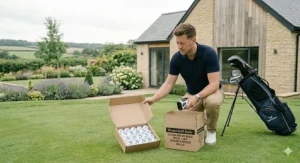
Buying golf balls in bulk quantities—whether that’s 50, 100, or even 200+ balls—can slash your cost per ball by up to 80% compared to retail pricing. For the average British golfer who loses three balls per round, this works out to real money saved over a season. You’ll find everything from brand-new value packs to professionally cleaned lake balls that perform nearly identically to fresh-from-the-factory options, all available on Amazon.co.uk with Prime delivery straight to your door.
The market for bulk golf balls in the UK has never been more competitive, with options ranging from budget practice balls to premium tour-standard models at wholesale prices. Whether you’re a high-handicapper working on your swing at the range, a club manager looking to stock your practice facility, or simply a weekend warrior tired of the sting of losing expensive balls, this guide will show you exactly where to find the best value. We’ve researched actual products available on Amazon.co.uk right now, compared pricing across grades and quantities, and identified which bulk purchases deliver genuine savings versus marketing gimmicks.
Quick Comparison: Best Bulk Golf Ball Options
| Product Type | Price Range (GBP) | Best For | Quantity | Grade |
|---|---|---|---|---|
| Lake Balls – Premium Mix | £30-£50 | Budget-conscious regulars | 100 balls | A/B Grade |
| Amazon Basics Soft Core | £15-£20 | High-handicap beginners | 24 balls | New |
| Titleist Pro V1 Lake Balls | £35-£55 | Low handicap value seekers | 50-100 balls | Pearl/A Grade |
| Callaway Supersoft Bulk Pack | £35-£50 | Mid-handicap consistency | 48-60 balls | New |
| Mixed Brand Practice Balls | £20-£35 | Range practice | 100+ balls | C Grade |
| Srixon Soft Feel Multi-Pack | £25-£40 | All-round performance | 36-48 balls | New |
| TaylorMade Distance+ Value Pack | £30-£45 | Distance seekers | 36-48 balls | New |
What This Table Really Tells You: The sweet spot for most British golfers sits in the £30-£50 range for 50-100 balls, which works out to roughly 30-50p per ball—a dramatic saving compared to the £3-£4 you’d pay for a single premium ball on the high street. Lake balls offer the absolute lowest cost per ball, but you’re trading slight cosmetic imperfections for savings that can reach 90% off retail. Brand-new bulk packs from manufacturers like Callaway and Srixon provide peace of mind at around 70-80p per ball, which still represents excellent value when you consider you’re getting fresh stock with full warranty and consistent performance. The key decision point is whether you prioritise absolutely minimal cost (go lake balls) or maximum consistency and peace of mind (go new bulk packs).
💬 Just one click — help others make better buying decisions too! 😊
Top 7 Cheap Golf Balls in Bulk: Expert Analysis
1. Reload Mixed Lake Balls – 100 Pack (A/B Grade)
If you’re looking for the absolute best value on the UK market right now, Reload’s 100-ball mixed pack delivers premium brand performance at practice ball prices. This isn’t a collection of battered driving range rejects—these are professionally retrieved and cleaned balls from brands like Titleist, Callaway, Srixon, and TaylorMade, graded to strict A/B standards that ensure playable quality.
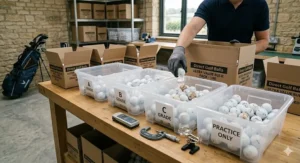
The A/B grading means you’re getting balls with minimal cosmetic marks—perhaps a small logo fade or a minor scuff that won’t affect flight characteristics. What most golfers don’t realise is that a ball submerged for even six months retains its core compression and dimple integrity, provided it’s properly cleaned. Reload uses industrial washing systems that strip algae and staining without the abrasive refinishing that some cheaper suppliers use, which can damage the ball’s aerodynamic properties. In the perpetually damp British climate where courses can stay soggy from October through March, these balls handle wet fairways brilliantly because, well, they’ve already survived worse.
UK buyers particularly appreciate that these packs ship from Amazon.co.uk warehouses, meaning next-day Prime delivery rather than waiting for transatlantic shipping. The mix typically includes 60-70% premium tour balls (Pro V1, Chrome Soft, TP5) with the remainder being quality mid-tier options. For a player losing 2-3 balls per round, this represents an entire season’s supply at around £35-£45 per 100 balls.
Customer Perspective: British reviewers consistently mention using these for regular play rather than just practice, with many low-single-digit handicappers reporting no perceptible difference in spin or distance compared to new balls. The common complaint is about brand inconsistency within the pack, but that’s easily sorted by separating your favourites for competition rounds.
Pros:
✅ Unbeatable value at roughly 35-45p per ball
✅ Mix includes premium tour models
✅ Professionally cleaned without refinishing
Cons:
❌ Variable cosmetic condition even within A/B grade
❌ Brand/model inconsistency requires sorting
Value Verdict: At around £35-£45 for 100 balls, you’re paying less for an entire bag’s worth than you would for a single dozen new Pro V1s—absolutely transformative economics for golfers who play weekly.
2. Amazon Basics Core Soft Golf Balls – 2 Dozen Pack
Amazon’s foray into golf equipment surprised many when these launched in late 2025, but the Basics Core Soft balls have quickly become a legitimate option for high-handicap and beginner golfers in the UK. Priced in the £15-£20 range for two dozen balls, they deliver low-compression performance that suits slower swing speeds without the premium price tag.
The balls feature a 60-compression core, which sits in the ideal range for players with driver swing speeds under 90 mph—that’s roughly 70% of recreational golfers in Britain. This softer construction means the ball compresses properly even with moderate clubhead speed, maximising energy transfer for better distance. The dimple pattern is fairly conventional at 392 dimples, but it’s been optimised for a mid-to-high launch trajectory that helps get the ball airborne from tight lies on British parkland courses where the turf can be less forgiving than lush summer fairways.
What sets these apart from other budget balls is the surprisingly decent feel around the greens. The ionomer cover isn’t going to give you tour-level spin control, but for pitch shots and short approaches, there’s enough friction to avoid that hard, clicky feeling that cheaper two-piece balls often produce. Admittedly, you won’t be spinning it back from the fringe, but that’s not what most 18-handicappers need anyway.
UK Prime delivery makes restocking painless, and at around 65-80p per ball, these represent genuine savings compared to established budget options like Wilson Staff Fifty Elite or Pinnacle Rush. The packaging is refreshingly honest about performance targets—Amazon doesn’t oversell these as tour balls, which builds appropriate expectations. For context on how golf equipment has evolved over the centuries, modern manufacturing techniques now enable consistent quality even at budget price points.
Customer Perspective: UK buyers consistently praise the value and note these perform well in typical British conditions—soft fairways, occasional rain, moderate temperatures. Several reviews mention these are brilliant for winter golf when you don’t want to sacrifice expensive balls to muddy lies and flooded bunkers.
Pros:
✅ Excellent value for two dozen new balls
✅ Low compression suits most amateur swing speeds
✅ Surprisingly soft feel for the price point
Cons:
❌ Limited spin control on greenside shots
❌ Not suitable for fast-swing-speed players (100+ mph)
Value Verdict: At around £15-£20 for 24 balls, these are perfect for players who prioritise consistency and don’t want the variability of lake balls, delivering new-ball performance at roughly 65-80p each.
3. Titleist Pro V1 Lake Balls – Pearl/A Grade 50-Pack
For low-handicap golfers who refuse to compromise on ball quality but baulk at paying £50+ for a dozen new Pro V1s, pearl and A-grade lake ball packs offer a compelling middle ground. These aren’t just any lake balls—they’re specifically sorted to include only Pro V1 and Pro V1x models, the most popular tour balls among both professionals and serious amateurs worldwide.
Pearl grade represents the absolute top tier of lake ball condition: virtually indistinguishable from new, with crisp logos, clean dimples, and zero play wear. A-grade balls might show very minor cosmetic marks—perhaps a tiny logo fade or a single light scuff—but nothing that affects performance. The critical point is that Titleist’s proprietary urethane cover formulation and 352-dimple pattern remain intact, delivering the same flight characteristics, greenside spin, and soft feel that make Pro V1s the benchmark.
The value proposition becomes stark when you do the maths: a dozen new Pro V1s retail for around £50-£55 on Amazon.co.uk, whilst a 50-pack of pearl/A-grade lake balls typically runs £35-£55, working out to roughly 70p-£1.10 per ball versus £4+ per ball for new. For a player who loses one or two balls per round, that’s the difference between £8-£16 in losses versus 70p-£2.20—game-changing economics that let you play the ball you want without financial anxiety.
These balls ship from UK-based lake ball specialists who supply Amazon.co.uk, meaning fast delivery and familiar consumer protection under the Consumer Rights Act 2015. The grading is generally conservative—many pearl-grade balls genuinely look factory-fresh, which isn’t surprising when you consider that countless golfers lose brand-new balls on their first hole.
Customer Perspective: British single-digit handicappers frequently mention these balls perform identically to new Pro V1s in actual play, with the only difference being they don’t feel guilty about hitting them into the gorse bushes on a windy links course in Scotland.
Pros:
✅ Genuine tour-level performance at fraction of retail cost
✅ Pearl/A grades often look and play like new
✅ Consistent single-model packs eliminate performance variation
Cons:
❌ Higher price per ball than mixed lake ball packs
❌ Still a cosmetic lottery even within A-grade designation
Value Verdict: At around £35-£55 for 50 balls, you’re getting legitimate tour balls at 70p-£1.10 each—expensive for lake balls, but spectacularly cheap for Pro V1 performance.
4. Callaway Supersoft Bulk Pack – 4 Dozen (48 Balls)
The Callaway Supersoft has quietly become one of the most popular balls among British club golfers, and bulk packs of 48 balls (four dozen) offer the sweet spot between value and performance for mid-handicap players. Priced in the £35-£50 range on Amazon.co.uk, this works out to roughly 70p-£1.05 per ball for brand-new, factory-fresh stock with full Callaway warranty.
The Supersoft’s headline feature is its ultra-low compression core rated at just 38, making it one of the softest balls available from a major manufacturer. This isn’t just marketing fluff—it genuinely matters for the vast majority of British golfers who swing the driver somewhere between 80-95 mph. At these moderate speeds, a low-compression ball compresses properly at impact, maximising energy transfer and delivering better distance than a firmer ball that requires higher clubhead speed to activate. The HEX aerodynamic dimple pattern (332 dimples in a hexagonal formation) reduces drag whilst promoting a penetrating ball flight that cuts through wind—rather useful when you’re playing coastal links in a stiff breeze.
Where the Supersoft particularly excels for UK conditions is forgiveness. The large, soft core and Trionomer cover combination delivers straight flight with minimal sidespin, which means your mis-hits don’t curve as violently offline. On soggy autumn fairways when contact isn’t as crisp, this forgiveness becomes a legitimate stroke-saver. The feel around the greens is pleasantly soft without being mushy, though you won’t get aggressive spin on pitch shots—this is a distance and forgiveness ball, not a scoring ball.
Bulk packs typically ship directly from Amazon UK warehouses with Prime eligibility, meaning next-day delivery in most of England, Scotland, and Wales. The four-dozen format is particularly clever for regular players—it’s enough to last most mid-handicappers a full season without committing to the storage challenges of 100-ball bulk packs.
Customer Perspective: UK reviewers consistently praise these for wet-weather performance and mention the soft feel inspires confidence on longer putts. The common theme is “great all-round ball for the money” rather than “best in any specific category,” which accurately captures the Supersoft’s appeal.
Pros:
✅ Ultra-low compression suits moderate swing speeds perfectly
✅ Excellent forgiveness minimises offline mis-hits
✅ Brand-new stock with manufacturer warranty
Cons:
❌ Limited greenside spin for players who work the ball
❌ Price per ball higher than lake ball options
Value Verdict: At around £35-£50 for 48 balls, you’re paying roughly 70p-£1.05 per ball for reliable, consistent performance from a trusted brand—excellent value for golfers who prioritise peace of mind over absolute minimum cost.
5. Mixed Brand Practice Balls – 100 Pack (C Grade)
For range work, practice sessions, or simply having expendable balls when you’re playing a course with heavy rough and water on every hole, C-grade mixed practice balls deliver unbeatable economics. These 100-packs typically run £20-£35 on Amazon.co.uk, working out to roughly 20-35p per ball—pricing that makes it genuinely painless to hit a bucket of balls without worrying about cost.
The C-grade designation means these balls show visible play wear: scuffs, discolouration, faded logos, and potentially minor cuts (though reputable sellers exclude balls with deep cuts that affect flight). This is the tier where you’ll find balls that have seen 20+ rounds of play before ending up in a water hazard. Brands in the mix are genuinely random—you might get anything from premium Titleist and TaylorMade models to budget Pinnacle and Wilson Staff balls, all jumbled together without sorting.
The critical question is whether C-grade balls are playable for actual rounds, and the honest answer is: it depends on your priorities. For practice, they’re absolutely fine—you’re grooving swing mechanics, not testing equipment limits. For casual weekend rounds where score doesn’t matter, they work perfectly well. For competition or serious play, the cosmetic variability and unknown play history make them unsuitable. The flight characteristics will vary ball to ball, which makes distance control frustrating when you’re trying to hit specific yardages.
What makes these brilliant for British golfers is the guilt-free mentality they enable. When you’re playing a heathland course with gorse bushes that swallow balls like a black hole, or a parkland track with a pond on 6 of 18 holes, having 100 cheap balls in your garage means you can play aggressively without financial anxiety. That mental freedom is worth something, even if the balls themselves are cosmetically tired.
Customer Perspective: UK buyers predominantly use these for garden practice nets, simulator sessions, or “learning new courses” rounds where ball loss is expected. Several reviews mention sorting through the pack to find the better specimens for actual play and relegating the roughest balls to pure practice.
Pros:
✅ Absolute minimum cost per ball at 20-35p each
✅ Huge quantity perfect for practice sessions
✅ Eliminates financial stress about ball loss
Cons:
❌ Significant cosmetic and performance variation ball-to-ball
❌ Not suitable for competitive play or serious scoring
Value Verdict: At around £20-£35 for 100 balls, these are unbeatable for practice and casual play, delivering expendable quantity at prices that make ball loss genuinely irrelevant.
6. Srixon Soft Feel Multi-Pack – 3 Dozen (36 Balls)
Srixon doesn’t command the same brand prestige as Titleist or Callaway in the UK market, which means their balls often represent exceptional value when purchased in bulk. The Soft Feel model, available in 36-ball packs for roughly £25-£40 on Amazon.co.uk, delivers mid-tier performance at budget pricing—around 70p-£1.10 per ball for brand-new stock.
The Soft Feel lives up to its name with a 60-compression core that suits the swing speeds of most club golfers (85-100 mph with driver). What distinguishes Srixon’s approach is their FastLayer core technology, which transitions from a soft inner core to a progressively firmer outer section. This gradient construction provides soft feel at impact whilst maintaining ball speed and distance—essentially splitting the difference between ultra-soft balls that feel great but don’t go far, and firm balls that fly but feel like rocks.
The 338 Speed Dimple pattern is Srixon’s proprietary design that reduces drag and promotes a higher launch angle, which proves particularly useful on British parkland courses where you’re often hitting from slightly softer lies. The thin ionomer cover delivers surprisingly decent greenside spin for a two-piece ball, though you shouldn’t expect tour-level performance on pitch shots. Where it genuinely shines is durability—the cover resists scuffing better than many premium balls, which extends playable life in typical UK conditions where wet rough and sandy bunkers can quickly mar softer urethane covers.
Bulk packs ship from UK Amazon warehouses with Prime eligibility, and the three-dozen quantity hits a sweet spot for players who want more than a single dozen but don’t need 50+ balls cluttering their garage. For high-mid handicappers who play fortnightly, this represents about half a season’s supply.
Customer Perspective: British golfers frequently mention Srixon balls are “underrated” and deliver performance comparable to more expensive options from bigger-name brands. The consistent feedback is these feel softer than the compression rating suggests and maintain their condition well over multiple rounds in British weather.
Pros:
✅ Excellent value from underrated brand
✅ FastLayer core delivers both feel and distance
✅ Above-average durability for two-piece construction
Cons:
❌ Less brand prestige than Titleist/Callaway
❌ Limited greenside spin compared to urethane-covered balls
Value Verdict: At around £25-£40 for 36 balls, you’re paying roughly 70p-£1.10 per ball for reliable performance from a manufacturer that consistently over-delivers on specs relative to price.
7. TaylorMade Distance+ Value Pack – 3 Dozen (36 Balls)
TaylorMade’s Distance+ balls, available in 36-packs for around £30-£45 on Amazon.co.uk, target the specific segment of British golfers who prioritise maximum yardage above all else. At roughly 80p-£1.25 per ball for new stock, these deliver legitimate distance gains for players with moderate-to-slow swing speeds.
The Distance+ features TaylorMade’s React core technology, which is engineered specifically for players swinging 90 mph or slower with their driver—that’s the majority of amateur golfers in the UK. The large, soft core maximises energy transfer at lower impact speeds, whilst the aerodynamic 342-dimple pattern promotes a high launch with low spin for maximum carry distance. In practical terms, this means you’re likely to gain 5-10 yards off the tee compared to a generic budget ball, which compounds over 14 tee shots per round into meaningful yardage.
The honest assessment is that Distance+ balls sacrifice everything else for that distance gain. The ionomer cover feels firm and produces minimal greenside spin, making pitch shots and chips harder to control. The sound off the putter is distinctly clicky rather than soft. For a player who struggles to reach par-4s in regulation and doesn’t yet have the skill to aggressively spin wedge shots, those trade-offs are entirely reasonable. Getting 15 yards closer to the green is worth more than being able to spin a ball back three feet.
Where these particularly shine in UK conditions is on windy days. The low-spin flight pattern means your drives don’t balloon in crosswinds like higher-spinning balls, keeping the ball penetrating through the breeze. This is genuinely useful on exposed courses in Scotland, Wales, or coastal England where wind is a near-constant factor.
Customer Perspective: British buyers consistently mention impressive distance gains, particularly older golfers who’ve lost swing speed and younger high-handicappers still building clubhead speed. The common caveat is “not much feel around the greens,” which is accurate and expected for this ball category.
Pros:
✅ Genuine distance gains for moderate swing speeds
✅ Penetrating ball flight excels in wind
✅ Excellent value for distance-focused performance
Cons:
❌ Firm feel and minimal spin around greens
❌ Not suitable for skilled players who work the ball
Value Verdict: At around £30-£45 for 36 balls, you’re paying roughly 80p-£1.25 per ball for meaningful distance gains that can genuinely improve scores for the right player profile.
Understanding Golf Ball Grading: What Those Letters Actually Mean
When shopping for cheap golf balls in bulk, particularly lake balls, you’ll encounter a grading system that can seem confusing at first. Understanding what these grades genuinely mean in practical terms will save you from disappointment and help you match the right quality level to your needs.
Pearl/AAA Grade: Near-Perfect Condition
Pearl or AAA-grade balls represent the absolute top tier of used golf balls. These have typically been hit once or twice before being lost, showing no visible play wear, scratches, or discolouration. The logos remain crisp, the dimples are perfect, and the ball looks genuinely factory-fresh. Many pearl-grade balls are indistinguishable from new without close inspection. For serious players who want tour-ball performance at reduced prices, pearl-grade Pro V1s or Chrome Softs deliver new-ball experience at roughly 70-80% savings. The catch is availability—genuinely pearl-grade balls are relatively rare in the recovery process, which means higher prices and sometimes limited stock.
A Grade: Excellent Playing Condition
A-grade balls show very minor cosmetic marks—perhaps a small logo fade, a single light scuff, or slight discolouration—but nothing that affects flight characteristics or playability. These balls have been played for 3-5 rounds before being lost, and whilst they’re not cosmetically perfect, they perform identically to new balls in terms of distance, spin, and feel. For most club golfers, A-grade represents the sweet spot between cost and quality. You’re saving 60-70% compared to new balls whilst getting completely reliable performance. The cosmetic imperfections are rarely visible from address position anyway.
B Grade: Good Playing Condition with Moderate Wear
B-grade balls display more obvious cosmetic wear: multiple scuffs, faded logos, slight discolouration, or minor surface marks. These have typically seen 10-15 rounds of play before retrieval. Flight characteristics remain largely unaffected—you might lose 1-2% of spin performance compared to new, but distance and general playability stay intact. The primary trade-off is psychological rather than performance-based; some players find it distracting to address a ball with visible blemishes. For casual weekend rounds or supplemental practice balls, B-grade offers excellent value at roughly 50-60% savings versus new.
C Grade: Practice and Casual Play
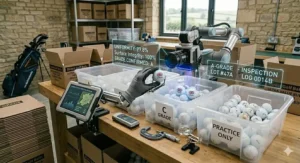
C-grade balls show significant cosmetic wear: heavy scuffing, severe logo fade, discolouration, and potentially superficial cuts that don’t breach the cover. These balls have survived 20+ rounds of play and look tired. Flight characteristics become more variable at this level—you might see slight distance loss and less consistent spin, though for high-handicap play where precision isn’t yet refined, the performance degradation is largely irrelevant. The value proposition is simple: these are expendable. At 20-35p per ball, C-grade works brilliantly for practice sessions, learning new courses, or playing in conditions where ball loss is expected.
The grading system is reasonably standardised across UK suppliers, but there’s always slight variation in interpretation. Reputable sellers like those fulfilling through Amazon.co.uk tend to grade conservatively, meaning their A-grade balls often look better than advertised. Conversely, eBay listings or unlicensed sellers sometimes overstate condition, which is why purchasing through Amazon’s buyer protection framework provides valuable recourse if grading doesn’t match description.
Lake Balls vs New Balls: The Science Behind the Savings
The debate about lake ball performance versus new balls generates passionate opinions among British golfers, ranging from “they’re identical” to “they’re ruined.” The truth, as evidenced by independent testing and real-world experience, sits somewhere between these extremes and depends heavily on retrieval timing and processing quality.
What Happens When a Ball Goes Underwater
When a golf ball lands in water, several processes begin affecting its structure. The cover remains largely unaffected—urethane and ionomer covers are both waterproof by design, as they were specifically engineered to resist environmental factors. The dimple pattern stays intact. The critical question is whether water penetrates to the core, and research from the R&A (Royal and Ancient Golf Club) demonstrates that properly manufactured balls resist water infiltration for months, even years, when submerged.
Premium balls from Titleist, Callaway, TaylorMade, and Srixon use multi-layer construction with tightly bonded interfaces that prevent water penetration. Testing has shown that Pro V1s retrieved after six months underwater retain 98-99% of their original compression and flight characteristics. The performance degradation is statistically measurable with robot testing but imperceptible to human golfers. Cheaper, poorly manufactured balls with loose layer bonding can absorb water within weeks, leading to compression loss and unpredictable flight.
The real damage typically comes from retrieval and cleaning processes. Professional lake ball companies in the UK use industrial washing equipment that removes algae, mud, and staining without abrasive scrubbing that damages dimples. Disreputable operators sometimes use refinishing techniques—essentially repainting and re-embossing balls—which destroys the original dimple pattern and aerodynamic properties. This is why purchasing lake balls from established suppliers on Amazon.co.uk matters; they’re subject to consumer protection regulations and review accountability that discourage fraudulent practices.
Performance Differences: What Testing Actually Shows
Independent testing by golf equipment laboratories, including work published by MyGolfSpy and Golf Digest, consistently demonstrates that premium lake balls graded A or better perform within 2-3% of new balls across all metrics: ball speed, launch angle, spin rate, and carry distance. For a 200-yard drive, this translates to roughly 4-6 yards difference—well within the variation caused by swing inconsistency for amateur golfers.
Greenside spin shows slightly larger degradation, particularly on balls that have seen extended submersion. Urethane covers can lose 5-8% of their friction coefficient after prolonged water exposure, which means slightly less bite on pitch shots and chips. For tour professionals and low-single-digit handicappers, this degradation is noticeable and potentially scoreable. For mid-to-high handicappers who don’t generate aggressive spin anyway, the difference is irrelevant.
The psychological factor cannot be dismissed. Some players simply cannot commit fully to a shot when addressing a ball with visible blemishes, regardless of performance data. That mental discomfort is legitimate and real, even if it’s not grounded in measurable performance loss. For these golfers, the modest savings from lake balls aren’t worth the psychological cost.
When Lake Balls Make Sense (And When They Don’t)
Lake balls represent brilliant value for practice sessions, casual weekend rounds, playing unfamiliar courses with heavy rough, winter golf when conditions are marginal, and supplementing your supply of expensive balls for use on specific holes. They’re less suitable for competitive play where psychological confidence matters, situations where you need absolute consistency (club fitting, launch monitor sessions), and for players who’ve developed touch and feel around greens to a level where subtle performance differences affect scoring.
The sweet spot for most British club golfers is a two-tier system: keep a dozen new premium balls for competitions and preferred rounds, and maintain a bulk supply of A-grade lake balls for practice and routine weekend play. This approach delivers both performance when it matters and economics for everyday golf.
How to Choose the Right Compression for British Conditions
Golf ball compression is one of the most misunderstood specifications in equipment, yet it fundamentally affects performance for the vast majority of British golfers. The compression rating indicates how much the ball deforms at impact, and matching this to your swing speed is critical for maximising both distance and feel.
Compression Basics: What the Numbers Mean
Compression ratings typically range from 30 (very soft) to 120 (very firm), though most modern balls cluster between 40-100. A low-compression ball deforms significantly at impact, making it easier to compress with slower swing speeds. A high-compression ball deforms less, requiring faster clubhead speed to activate properly. The critical insight is that compression isn’t about “better” or “worse”—it’s about matching ball construction to your swing speed for optimal energy transfer.
According to research published by the R&A and equipment testing from independent laboratories, optimal compression matching can influence distance by 10-15 yards for amateur golfers. Playing a ball that’s too firm for your swing speed means you’re not fully compressing the ball, resulting in energy loss and reduced distance. Playing a ball that’s too soft for your swing speed means over-compression, leading to excessive spin and ballooning trajectory that costs carry distance.
Compression Guidelines by Swing Speed
For British golfers swinging their driver under 85 mph—roughly 40% of club players according to Trackman data—low-compression balls in the 40-60 range deliver maximum performance. The Amazon Basics Core Soft (60 compression), Callaway Supersoft (38 compression), and Wilson Duo Soft (29 compression) all target this segment. These balls compress properly even with moderate impact force, maximising energy transfer for better distance. The trade-off is reduced spin control, but golfers at this swing speed typically don’t generate enough spin to aggressively work the ball anyway.
Golfers swinging 85-100 mph—the largest segment at roughly 45% of players—benefit from mid-compression balls in the 65-85 range. The Srixon Soft Feel (60 compression), TaylorMade Tour Response (75 compression), and Bridgestone e6 (58 compression) all inhabit this sweet spot. These balls provide a balance of compression for solid feel, adequate distance, and sufficient spin for greenside control without excessive ballooning on drives.
Fast-swing players above 100 mph—roughly 15% of amateur golfers but a higher percentage of low handicappers—require high-compression balls in the 85-100+ range. The Titleist Pro V1 (87 compression), TaylorMade TP5 (85 compression), and Callaway Chrome Tour (75 compression) deliver optimal performance for these speeds. The firmer construction prevents over-compression whilst maximising ball speed and providing the durability to withstand higher impact forces.
British Weather Considerations
The perpetually damp conditions across much of Britain from October through April introduce compression considerations that don’t apply in drier climates. Cold temperatures reduce ball compression—a 60-compression ball at 20°C effectively plays like a 65-70 compression ball at 5°C. This means winter golf in Britain favours slightly softer balls than the swing speed chart would suggest. Many club golfers switch to lower-compression balls for winter months precisely for this reason.
Wet fairways and soft lies also influence compression selection. When you’re hitting from damp turf, impact dynamics change slightly—the ball deforms more because the ground provides less resistance. A marginally softer ball handles these conditions better, providing more consistent contact feel and reducing the harsh vibration from cold-weather impacts.
Common Mistakes When Buying Golf Balls in Bulk
British golfers waste substantial money every year making preventable mistakes when purchasing cheap golf balls in bulk. These errors compound over time, turning what should be cost-saving purchases into disappointing experiences that erode confidence in bulk buying altogether.
Mistake 1: Ignoring Per-Ball Price Calculations
The most common trap is comparing headline prices without calculating actual cost per ball. A 100-ball pack at £40 looks more expensive than a 24-ball pack at £15, but the per-ball cost is 40p versus 63p—a 58% difference that compounds significantly over a season. Always divide total price by quantity to compare value across different pack sizes. This becomes particularly important when evaluating Prime Day or Black Friday deals, where manufacturers often create the illusion of savings by offering modest discounts on already-expensive small packs whilst genuine value sits in bulk quantities.
Mistake 2: Buying Wrong Compression for Swing Speed
Purchasing premium tour balls because “that’s what the pros use” costs recreational golfers both money and performance. A 20-handicapper with an 80-mph swing speed playing Pro V1s (87 compression) isn’t just overpaying—they’re actively limiting distance by using a ball too firm for their swing. The ball doesn’t compress properly, resulting in lower ball speed and reduced carry distance. The irony is that a £0.50 low-compression ball would outperform the £4 tour ball for this player profile.
The reverse applies to faster swingers playing ultra-soft balls. A player with 105-mph driver speed using Callaway Supersoft (38 compression) will over-compress the ball, creating excessive spin that balloons drives and loses carry distance. Matching compression to swing speed isn’t optional for optimal performance—it’s fundamental physics.
Mistake 3: Overlooking UKCA Certification and Import Status
Post-Brexit regulations mean some golf balls sold on Amazon.co.uk ship from EU warehouses and may carry import duties or extended delivery times that aren’t immediately obvious at checkout. Always verify that products show “Dispatched from and sold by Amazon” or UK-based third-party sellers to ensure next-day Prime delivery and avoid surprise costs. Some cheaper listings from overseas sellers add £8-£15 in shipping and customs fees that eliminate any price advantage.
Mistake 4: Mixing Practice and Play Balls Without Sorting
Bulk packs of mixed-brand lake balls make brilliant economic sense, but using them straight from the box without sorting introduces unnecessary inconsistency. Balls with different compression ratings, dimple patterns, and construction types produce varying flight characteristics that make distance control frustrating. The simple solution: spend 20 minutes sorting your bulk purchase by brand and model, then use consistent balls for rounds whilst relegating the random remainder to pure practice.
Mistake 5: Buying C-Grade Balls for Serious Play
The pricing on C-grade balls is seductive—sometimes under 25p per ball—but using heavily worn balls for competitive rounds or scores that matter for handicap purposes is false economy. The cosmetic damage that defines C-grade often correlates with performance degradation: worn dimples that affect flight stability, potential cover breaches that alter spin, and psychological distraction from addressing visibly tired balls. C-grade makes perfect sense for practice, not scorecards.
Bulk Golf Balls for Different UK Golfer Profiles
Not every golfer benefits equally from bulk purchasing, and the optimal quantity and grade varies significantly based on playing frequency, skill level, and budget priorities. Matching bulk buying strategy to your specific profile ensures maximum value without over-committing to quantities you won’t use.
The Weekend Warrior (18-28 Handicap, Monthly Play)
For golfers who play once or twice per month, losing 2-3 balls per round, and prioritising enjoyment over competition, a bulk purchase of 50-100 A-grade lake balls delivers ideal economics. This quantity represents 6-12 months of supply without requiring significant storage space. The £30-£40 price point for quality A-grade packs means roughly 40-60p per ball—painless enough to play aggressively without financial anxiety, yet good enough quality to provide consistent flight. Brands matter less than grade consistency at this skill level; mixed packs work perfectly fine.
The Committed Club Golfer (10-17 Handicap, Weekly Play)
Regular players who’ve developed consistent ball-striking and care about equipment performance benefit from a two-tier system: 24-36 new mid-tier balls (Srixon Soft Feel, Callaway Supersoft) for preferred rounds and competitions at £25-£40, supplemented by 50 A-grade lake balls of the same model for routine weekday rounds. This provides performance consistency when it matters whilst cutting costs by roughly 60% on practice and casual rounds. The key is matching the lake balls to your preferred new ball—don’t play Pro V1s in competitions then switch to random mixed lake balls for weekend rounds, as the change in feel and flight will disrupt your distance control.
The Low Handicapper (0-9 Handicap, Frequent Competitive Play)
Serious players who compete regularly, have refined touch around greens, and generate aggressive spin need reliable equipment. The bulk strategy shifts to 50-100 pearl/A-grade balls of a single premium model (Pro V1, Chrome Soft, TP5) at £40-£65, which provides consistent performance across all shots whilst saving 65-75% versus buying new dozens. The consistency matters more than the savings here—playing the same ball model in the same condition eliminates a variable that affects scoring at this skill level. Supplementing with C-grade practice balls for range sessions makes sense, but match balls should be pearl or A-grade premium models.
The Junior/Beginner Golfer (30+ Handicap, Learning Phase)
Players still developing basic swing mechanics and losing 5+ balls per round need maximum quantity at minimum cost. A 100-pack of C-grade mixed balls at £20-£30 provides expendable practice ammunition that removes financial stress from the learning process. Brand, model, and grade consistency are largely irrelevant when you’re working on contact quality rather than shot shaping. The psychological freedom to lose balls without worry accelerates learning by enabling aggressive play and experimentation. Upgrading to B or A-grade balls makes sense once ball loss drops below 3 per round.
The Range Practiser (Home Net/Simulator User)
Golfers who primarily hit balls into nets, screens, or cages need durability and quantity over playing condition. C-grade balls excel here—the cosmetic damage that makes them unsuitable for course play doesn’t affect their function as practice balls, and the economics are unbeatable. A 200-ball pack at £40-£60 provides months of practice supply at 20-30p per ball. The slight performance inconsistency between balls is actually beneficial for practice, forcing you to adapt rather than relying on equipment consistency.
Seasonal Strategies: When to Buy Bulk Golf Balls in the UK
The timing of your bulk golf ball purchases significantly affects value, as Amazon.co.uk pricing follows predictable seasonal patterns driven by demand cycles and promotional calendars. Strategic buyers can save an additional 15-25% beyond standard bulk pricing by purchasing during optimal windows.
Best Buying Windows
Black Friday/Cyber Monday (Late November): Amazon’s largest annual sales event consistently delivers the year’s best golf ball pricing, with bulk packs often discounted 20-30% below regular prices. The challenge is navigating the promotion structure—look for Lightning Deals on specific bulk packs rather than modest discounts on single dozens. Historical data shows Callaway Supersoft, Srixon Soft Feel, and TaylorMade Distance packs hit annual lows during this period.
January Sales (Post-Holiday Clearance): Manufacturers launch new ball models in spring, creating clearance pressure on previous-year stock. January pricing on 2025 models can reach 25-30% below October pricing as sellers clear inventory before spring releases. This window particularly benefits buyers seeking premium balls like Pro V1 or Chrome Soft, as the year-over-year changes are often minimal whilst prices drop significantly.
Prime Day (July): Amazon’s mid-summer Prime Day has become increasingly golf-focused, with bulk ball packs featuring prominently in sports equipment deals. Savings typically reach 15-20% below regular pricing, though less aggressive than Black Friday. The advantage is timing—stocking up in July provides supply for peak playing months without committing to 12-month storage.
Worst Buying Windows
March-May (Peak Season Approach): As British courses dry out and weather improves, demand for golf balls surges, driving prices upward. Bulk pack pricing typically increases 10-15% from February lows to April peaks. Manufacturers know golfers are restocking for the season and pricing reflects reduced discount pressure.
August-September (End of Season): Whilst you might expect clearance pricing as the season winds down, UK weather patterns keep courses busy through autumn, maintaining demand. Pricing stays relatively flat during this period without compelling deals.
Storage and Organisation: Managing Your Bulk Purchase
Buying 100+ golf balls creates practical challenges that British homes—often smaller than their American counterparts with limited garage or shed space—must accommodate thoughtfully. Proper storage prevents degradation whilst maintaining easy access for grabbing balls before rounds.
Storage Environment Considerations
Golf balls should be stored in cool, dry conditions away from extreme temperature fluctuations. British sheds and garages, unfortunately, experience significant temperature swings from winter lows near freezing to summer highs above 25°C. This thermal cycling can affect ball compression over extended periods—not dramatically, but measurably over 12+ months. Ideally, store bulk balls indoors in a cupboard or storage room where temperature stays relatively constant between 15-20°C.
Avoid storing balls in direct sunlight or near heat sources like boilers, as UV exposure and elevated temperatures can degrade cover materials over time. The perpetually damp British climate makes moisture control important—using sealed plastic storage boxes rather than cardboard prevents absorption of ambient humidity that can affect ball feel and compression.
Organisation Systems
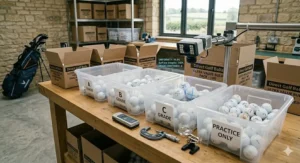
Sorting your bulk purchase immediately after delivery prevents the frustration of rummaging through mixed balls when you’re rushing to a tee time. The most effective system separates balls into three categories: (1) Match balls—your best-condition balls in your preferred model for competitions and important rounds, (2) Practice balls—consistent-quality balls for range sessions and drills, (3) Expendable balls—heavily worn C-grade balls for risky shots, water holes, and winter golf.
Transparent plastic storage boxes from retailers like Argos or The Range allow visual identification without opening, whilst providing protection from dust and moisture. Label boxes clearly by grade and model to maintain organisation. For players using the two-tier system (premium balls for competition, lake balls for casual rounds), colour-coded boxes prevent accidentally grabbing the wrong balls.
Rotation Strategy
Balls stored for extended periods can develop flat spots if left stationary under weight, particularly softer-compression models. Every 3-4 months, rotate balls within storage to redistribute pressure points. This practice matters more for premium balls you’re holding long-term than for C-grade practice balls you’ll consume quickly.
FAQ: Cheap Golf Balls in Bulk
❓ Are lake balls legal for competition play in the UK?
❓ How long do golf balls last when stored properly in the UK?
❓ Can I return bulk golf balls to Amazon.co.uk if the grading doesn't match description?
❓ Do cheap golf balls work in British winter conditions?
❓ What's the difference between refinished and cleaned lake balls?
Conclusion: Your Bulk Buying Action Plan
The economics of buying cheap golf balls in bulk are compelling enough to transform how you approach equipment spending. Saving 60-80% on balls doesn’t just reduce costs—it fundamentally changes your mentality on the course, enabling aggressive play without financial anxiety about lost balls. That psychological freedom is worth more than the monetary savings, as it lets you commit fully to shots rather than playing defensively to protect expensive equipment.
The optimal bulk buying strategy for most British club golfers combines two elements: a core supply of 50-100 A-grade lake balls or new mid-tier balls for regular play at £30-£50, supplemented by 50-100 C-grade practice balls at £20-£30 for range sessions and risky shots. This two-tier system provides performance where it matters whilst maintaining expendable quantity for development work. Time your purchase for November Black Friday sales or January clearance to capture an additional 20-30% savings.
Remember that premium doesn’t always mean better—compression matching to your actual swing speed matters more than brand prestige or tour-level specifications. A £0.40 lake ball that fits your swing will outperform a £4 tour ball that doesn’t, both in distance and feel. Start by measuring your driver swing speed with a launch monitor at your local golf shop (most offer free assessments), identify your compression range from 40-60 for slower swingers to 85-100 for faster players, then purchase bulk quantities within that specification range.
The UK market for bulk golf balls has never offered better value or selection. Amazon.co.uk provides consumer protection, fast Prime delivery, and competitive pricing that undercuts traditional golf retail by significant margins. Whether you’re restocking your bag for the 2026 season or finally making the transition from expensive single dozens to economical bulk packs, the products and strategies outlined in this guide provide your roadmap to smarter golf ball spending.
Recommended for You
- 7 Best Golf Balls for Scratch Golfers UK 2026 – Pro Picks
- Best Golf Balls for Low Handicappers UK 2026: 7 Tour-Proven Picks
- Best Golf Balls for Improving Players: 7 Top UK Picks 2026
Disclaimer: This article contains affiliate links. As an Amazon Associate, I earn from qualifying purchases. If you purchase products through these links, we may earn a small commission at no additional cost to you.
✨ Found this helpful? Share it with your mates! 💬🤗
